Managing waste is an important part of maintaining any property. Whether someone is cleaning a home, updating an office, or completing a major construction project, unwanted materials need to be handled properly. When rubbish begins to pile up, it can create clutter, limit available space, and slow down important work. Dumpster services provide an organized approach to waste removal by offering containers that can accommodate different project requirements.
Making Spring Cleaning More Convenient
Seasonal cleaning is a great opportunity to remove items that are no longer useful. Many homeowners use this time to organize closets, clear garages, clean basements, and get rid of damaged household belongings. However, larger cleanouts can produce more rubbish than regular garbage collection can handle.
A dumpster rental provides enough space to collect approved unwanted materials without repeatedly traveling to a disposal facility. Homeowners can complete their cleaning tasks room by room while keeping discarded items in one convenient location.
Managing Waste During Roofing Projects
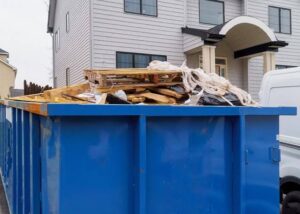
Roof replacement and repair work can generate substantial debris. Old shingles, underlayment, damaged wood, and packaging materials must be removed before the project can be completed properly. Leaving these materials around the property can create an untidy and potentially unsafe work environment.
A suitable dumpster allows roofing contractors to collect permitted debris as they work. Having a container nearby can reduce unnecessary handling and help keep the surrounding area organized. Before renting, customers should confirm that the selected container can accommodate the expected roofing waste and its weight.
Improving Efficiency for Small Businesses
Small businesses often operate with limited storage and outdoor space. When unwanted packaging, broken equipment, or outdated supplies accumulate, they can interfere with normal operations. A dependable waste disposal arrangement helps business owners maintain cleaner work areas.
Dumpster services can be scheduled according to the amount of waste a business produces. Some companies may need occasional rentals for major cleanouts, while others benefit from regular collection arrangements. Selecting a service that matches daily operations can help prevent unnecessary interruptions.
Protecting Driveways and Placement Areas
Before a dumpster arrives, customers should consider where it will be placed. A container can be heavy, particularly when filled with construction materials or other dense debris. Choosing a suitable surface helps reduce the possibility of damage to driveways, parking areas, and other property features.
Customers can discuss placement options with the rental company before delivery. Protective boards may be appropriate in certain situations, depending on the surface and provider recommendations. It is also important to leave enough clearance for safe delivery and pickup.
Avoiding Common Rental Problems
A successful rental begins with understanding the service conditions. One common mistake is choosing a container without estimating the amount of waste involved. Another is ignoring weight limits or placing restricted materials inside the dumpster.
Customers should review the rental agreement and ask about additional charges, rental extensions, loading requirements, and pickup procedures. Clear communication helps avoid misunderstandings and makes the process more predictable.
Encouraging Better Recycling Habits
Not every discarded item needs to become general waste. Some materials, including cardboard, metal, and certain types of wood, may be recyclable depending on local facilities and the rental provider’s policies.
Separating recyclable materials before loading the dumpster can support more responsible disposal. Customers should ask which materials can be recycled and whether separate collection arrangements are available. This simple step can help reduce the amount of waste sent to landfills.
Why Reliable Scheduling Matters
The timing of dumpster delivery and pickup can affect the entire project. If a container arrives too late, workers may have nowhere convenient to place debris. If it is collected too early, unfinished work may create another waste management problem.
Customers should arrange delivery before the project begins and discuss the expected completion date with the provider. When plans change, contacting the company early can help determine whether the rental period can be adjusted.
Conclusion
Dumpster services provide an effective way to manage waste during residential, commercial, and construction projects. From seasonal cleaning to roofing repairs, the right container helps keep unwanted materials organized and work areas more manageable. By planning placement, selecting an appropriate size, following disposal guidelines, and arranging dependable pickup, customers can make waste removal a simpler and more efficient part of their projects.